Fertility Nutrition
What you eat isn't just fuel. It's information. And your reproductive system is listening.
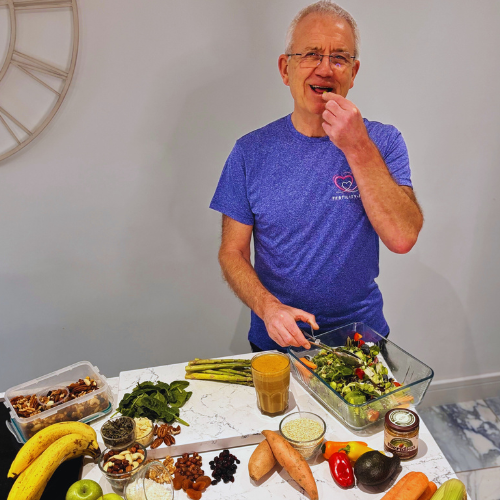
Meet Graham
Graham Eyre is a registered nutritional coach, qualified personal trainer, and award-winning over-40s fitness specialist — and co-founder of Fertility-Fit.
Graham's approach isn't about meal plans or food diaries. It's about looking at your full picture — your test results, your lifestyle, what's missing, what's working against you — and giving you practical, targeted advice on what to change and why.
Real swaps. Real reasons. No overwhelm.
Within Fertility-Fit, we also collaborate with a network of respected nutrition specialists and researchers at the forefront of reproductive health science — so what we recommend always reflects the latest evidence, not last decade's thinking.
Here's something nobody tells you at your fertility appointment.
The food on your plate is directly affecting the quality of your eggs and your partner's sperm. Right now. Today.
Not in a vague, "eat more vegetables" kind of way. In a measurable, physiological, cellular kind of way.
And most fertility pathways never ask about it.
The ultra-processed food problem
Let's talk about something the research is now very clear on.
Since the 1970s — roughly the same period ultra-processed foods became a staple of the Western diet — global sperm count has fallen by approximately 60%.¹ That's not a coincidence.
A 2024 study published in Human Reproduction Open found that men who ate more ultra-processed foods had significantly lower sperm counts, lower sperm concentration, and lower sperm motility.² A 2025 study found that women with higher ultra-processed food consumption had significantly higher rates of infertility.³ And a 2026 study examining couples' diets around the time of conception found that ultra-processed food was associated with lower chances of conception in men and reduced embryonic growth in women.⁴
Here's why.
Ultra-processed foods don't just lack nutrition. They actively interfere with your hormones.
The packaging alone is part of the problem — phthalates and bisphenols leach from plastic packaging into food, and research confirms these chemicals directly disrupt the hormonal systems that regulate ovulation, sperm production, and early embryo development.⁵
The refined sugars drive insulin spikes that throw reproductive hormones off balance. The inflammatory fats increase oxidative stress — the cellular damage that degrades egg and sperm DNA. And because ultra-processed foods crowd out the whole foods your body actually needs, you can be eating plenty and still be running on empty at the cellular level.
You can feel fine. Your bloods can look normal. And your nutritional picture can still be quietly working against you.
What we look at within Fertility-Fit
We don't tell you to eat more kale and call it a day.
Within Fertility-Fit, Graham looks at your actual nutritional picture — what's depleted, what's inflaming, what's missing from both your plates — and gives you practical, specific advice on what to change.
Not a restrictive diet. Not a list of banned foods. Just clear, evidence-based guidance on the swaps and additions that will genuinely move the dial for your fertility.
Because the goal isn't perfection. It's giving your body the raw materials it needs — at the cellular level, at the hormonal level — to do what it's designed to do.
Nutrition is never the whole plan. But without it, no plan is complete.
Think your diet might be part of the picture? Book your Fertility Strategy Call and we'll look at your full nutritional picture — for both of you.
Book your Fertility Strategy Call
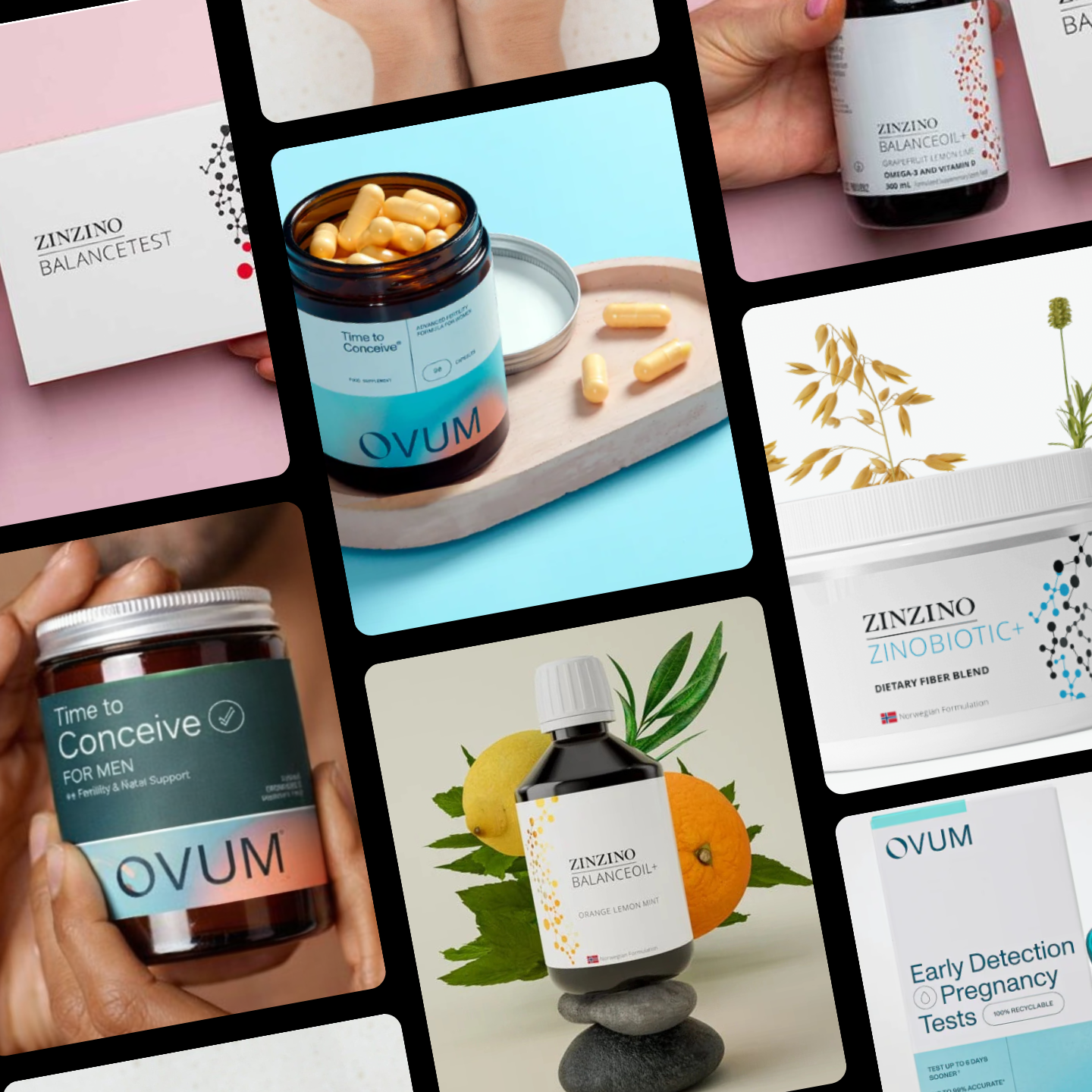
Supplements

Lifestyle