Why We Use Zinzino Zinobiotic+: The Gut-Vaginal Axis and Why Your Microbiome Is Part of Your Fertility Picture
May 29, 2026When you're trying to get pregnant, nobody tells you to think about your gut.
They talk about hormones. Egg quality. Timing. Sperm. But the gut? It stays firmly off the fertility radar.
It shouldn't.
The emerging research on the gut microbiome and reproductive health is some of the most compelling — and most overlooked — science in fertility right now. It's changing how we think about unexplained infertility, recurrent implantation failure, PCOS/PMOS, and recurrent miscarriage.
Here's what you need to know.
The gut microbiome: not just a digestive organ
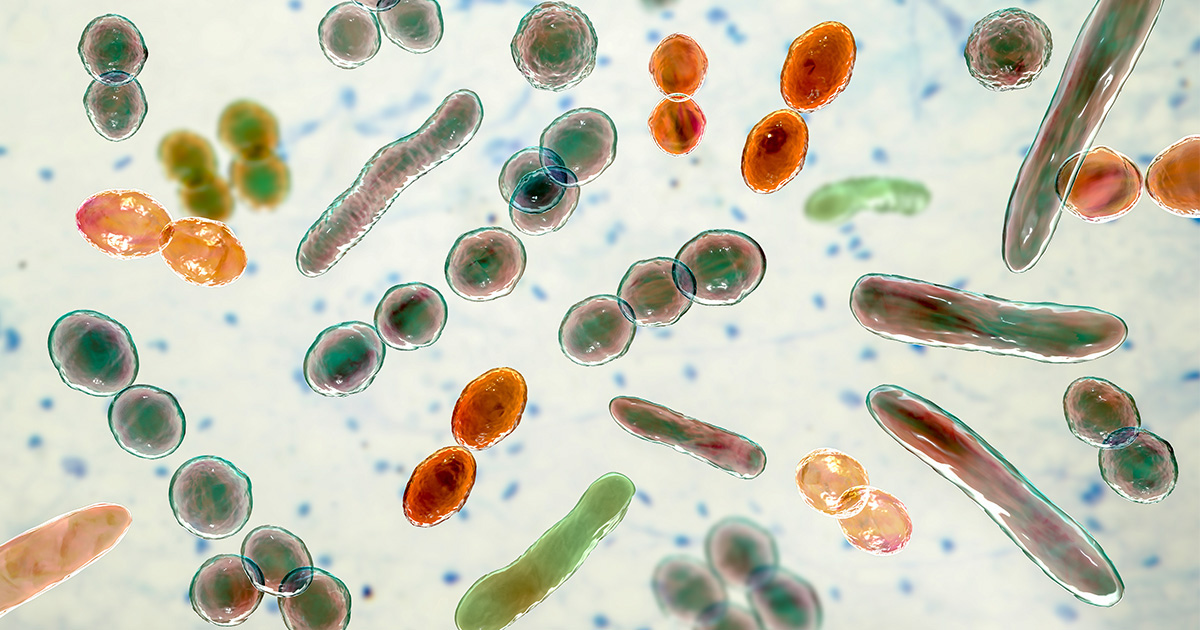
Your gut microbiome doesn't sit quietly in your digestive system minding its own business. It communicates actively with your immune system, your hormone metabolism, your inflammatory pathways — and critically — your reproductive tract.
Research now describes the gut microbiota as increasingly viewed as an endocrine organ, influencing hormone metabolism and affecting distal organs and associated biological pathways. Evidence points to a bidirectional gut microbiota-gonadal axis, where gut microbial homeostasis is essential for reproductive health — and disruptions, or dysbiosis, can result in reproductive pathologies.¹
One of the most clinically significant mechanisms is the estrobolome — the collection of gut bacterial genes involved in oestrogen metabolism. The gut microbiome regulates circulating oestrogen levels through the secretion of beta-glucuronidase, an enzyme that deconjugates oestrogens into their active forms. Alterations in estrobolome function have been directly associated with oestrogen-related conditions including PCOS/PMOS and endometriosis.²
In plain English: an imbalanced gut microbiome disrupts oestrogen metabolism — which disrupts the hormonal environment needed for ovulation, implantation, and early pregnancy.
The gut-vaginal microbiome axis
The gut-reproductive tract connection is particularly significant because of its direct influence on the vaginal and endometrial microbiome.
A 2022 study published in BMC Women's Health examined the gut and vaginal microbiota of fertile women against women with recurrent implantation failure and unexplained infertility. Gut bacteria diversity among the infertile groups differed significantly from controls, confirming that gut bacteria exert a profound influence on the immune system, hormonal homeostasis, and the coagulation system — all of which are involved in embryo implantation.³
A systematic review and meta-analysis published in 2024 found that both vaginal and endometrial dysbiosis can elevate pro-inflammatory cytokines, causing local inflammation and immune overactivation that impairs endometrial receptivity, reduces the likelihood of successful embryo implantation, and increases the risk of miscarriage. A lack of Lactobacillus and high bacterial diversity are associated with dysbiosis which, alongside immune dysregulation, may contribute to unexplained recurrent miscarriage and implantation failure.⁴
The gut microbiome and PCOS/PMOS
For women with PCOS or PMOS, the gut microbiome connection is particularly well evidenced.
A 2023 systematic review and meta-analysis published in BMC Medicine — the first of its kind — confirmed that gut dysbiosis in PCOS is associated with decreased microbial diversity and significant alterations in bacteria involved in microbiota-host crosstalk.⁵ A separate 2023 Mendelian randomisation study published in Frontiers in Microbiology, using genome-wide association data from over 113,000 samples, provided the first causal evidence linking gut microbiome composition to PCOS.⁶
This matters enormously for our clients. PCOS/PMOS is not just a hormonal condition — it is a metabolic and inflammatory condition with gut microbiome dysbiosis as an active contributing factor. Addressing the gut is not an optional extra. For this group, it is foundational.

Why most people's microbiomes need support
Modern diets are chronically low in dietary fibre. Processed food, antibiotic use, stress, and the general pace of contemporary life all deplete microbial diversity. Most people are walking around with a microbiome significantly less diverse than it should be — without any symptoms that would tell them so.
The response to this isn't simply to add probiotic bacteria. Probiotics introduce bacteria. Prebiotics feed the bacteria you already have — selectively nourishing beneficial species and allowing them to thrive. These are complementary but fundamentally different approaches.
For women navigating fertility challenges, supporting microbial diversity through targeted prebiotic fibre is one of the most evidence-aligned and consistently overlooked interventions available.
Why we chose Zinobiotic+
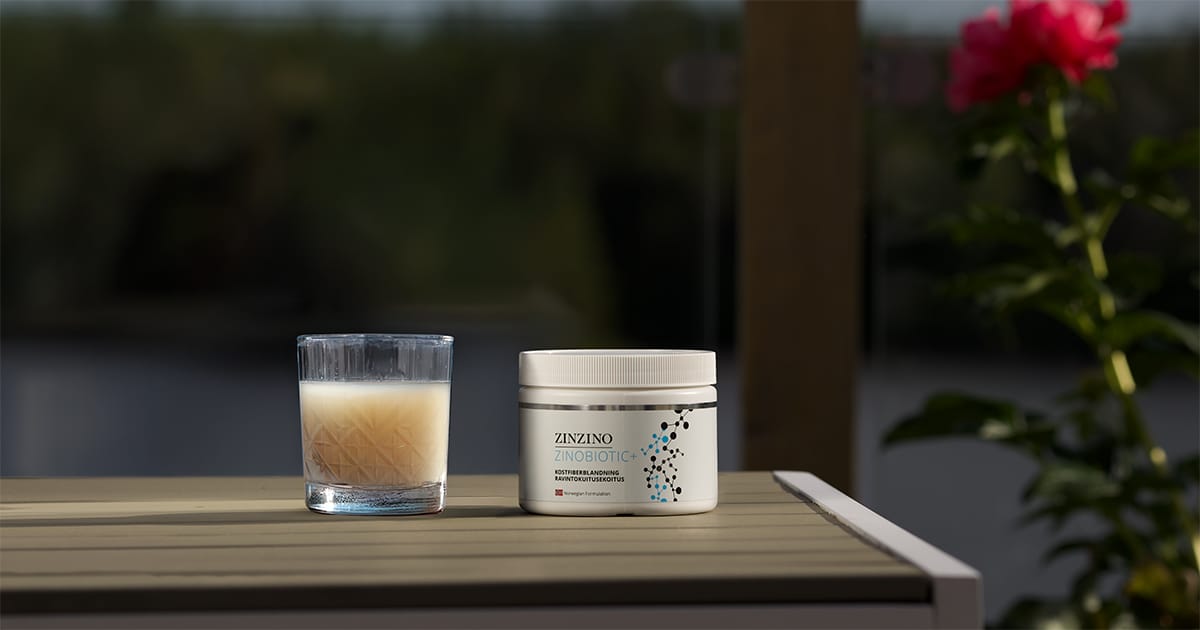
We chose Zinobiotic+ because fibre diversity matters — and most prebiotic supplements on the market contain only one or two fibre types, which means they feed a narrow range of bacteria in a narrow section of the colon.
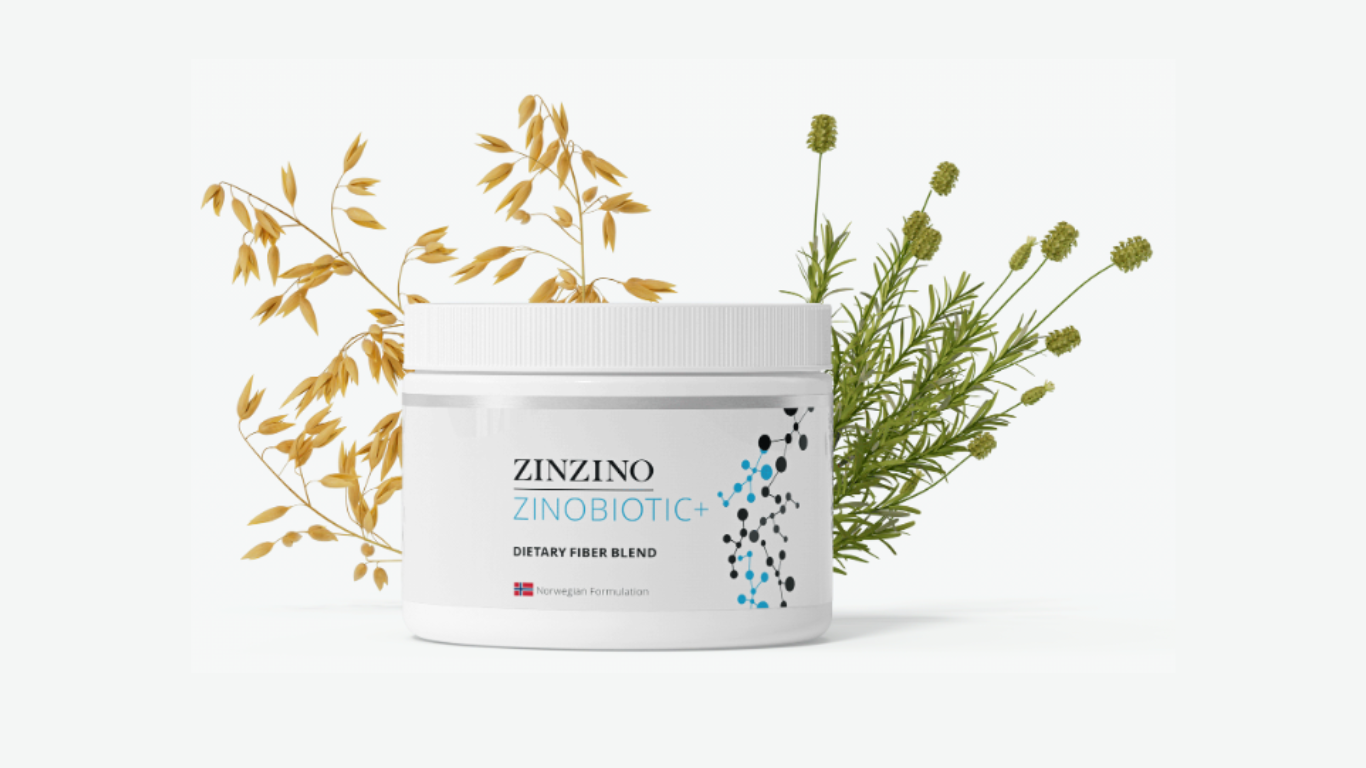
Zinobiotic+ contains eight distinct natural dietary fibre sources: resistant starch from corn, potatoes, and green bananas; gluten-free beta-glucans from oats; inulin; fructo-oligosaccharides (FOS); psyllium husk; and partially hydrolysed guar gum. Each fibre type has been chosen for its ability to reach the colon intact and provide selective nourishment for beneficial bacteria across different regions of the large intestine.⁷
This multi-fibre approach matters because different bacterial species feed on different fibre types. A single-fibre supplement creates selective pressure — favouring a narrow population of bacteria while leaving others unsupported. A multi-fibre blend feeds a broader, more diverse range of beneficial species — which is what genuine microbiome diversity requires.
Zinobiotic+ is also vegan, gluten-free, Informed Sport certified, and contains no additives, colourings, preservatives, or fillers of any kind. Active ingredients only.
A note on the slow-fermenting fibre profile
One of the practical advantages of Zinobiotic+'s multi-fibre blend is its slow fermentation profile. Single-fibre supplements — particularly those high in inulin or FOS alone — can cause rapid fermentation in the gut, leading to bloating, gas, and digestive discomfort that puts many people off prebiotic supplementation entirely.
The multi-fibre blend in Zinobiotic+ breaks down more gradually across different sections of the colon, reducing the likelihood of rapid fermentation and the discomfort associated with it. This makes it significantly more tolerable — particularly for clients who are already managing a complex supplement regimen.
How we use it at Fertility-Fit
We assess first.
When you are supported by Fertility-Fit, Zinobiotic+ is introduced later in your plan — after your omega foundation with BalanceOil+ has been established. There are two reasons for this.
First: it works quickly. The gut microbiome responds to prebiotic fibre rapidly, so introducing it later in the timeline still delivers full benefit before your target conception window.
Second: sequencing matters. Introducing supplements one at a time allows us to identify any digestive response before adding the next layer. Some clients experience temporary bloating when beginning prebiotic supplementation — this is normal and typically resolves within one to two weeks as the microbiome adjusts. Starting Zinobiotic+ after your other supplements removes any ambiguity about which product is causing what.
For independent clients, we recommend starting with half the recommended dose for the first week and building up gradually.
Who this is for:
- Women with recurrent implantation failure or unexplained infertility — where gut dysbiosis may be disrupting the implantation environment
- Women with PCOS/PMOS — where the causal link between gut dysbiosis and the condition is now evidenced
- Women with endometriosis — an oestrogen-dependent condition directly linked to estrobolome dysregulation
- Anyone preparing for IVF who wants to optimise their endometrial receptivity
- Both partners — emerging research is also exploring the gut-testis microbiome axis in male fertility
Who this isn't for:
- Anyone with significant gut conditions such as IBD, IBS, or Crohn's disease should consult their GP before starting any fibre supplement
- Anyone already consuming a very high-fibre diet — assessment first, always
The bottom line
The gut microbiome is not a peripheral wellness topic. It is a direct physiological contributor to the implantation environment, vaginal microbiome health, oestrogen metabolism, immune tolerance, and reproductive outcomes.
For women navigating complex fertility journeys — particularly those with PCOS/PMOS, recurrent implantation failure, or unexplained infertility — supporting it is not optional. It is foundational.
Supplements are never the plan. They're the support.
Want to understand whether your microbiome needs support? Book your Fertility Strategy Call and we'll look at your full picture — including the things most fertility pathways never think to ask about.

References
- Reviewed in: Gastroenterology Advisor. The Gut Microbiome's Role in Women's Reproductive Health. 2026. Citing: Peters BA, et al. Spotlight on the gut microbiome in menopause. Int J Womens Health. 2022;14:1059–1072. doi: 10.2147/IJWH.S340491.
- Kumari J, et al. From Gut to Hormones: Unraveling the Role of Gut Microbiota in (Phyto)Estrogen Modulation in Health and Disease. Mol Nutr Food Res. 2024;68(6):e2300688. doi: 10.1002/mnfr.202300688.
- Patel N, et al. Distinct gut and vaginal microbiota profile in women with recurrent implantation failure and unexplained infertility. BMC Womens Health. 2022;22:127. doi: 10.1186/s12905-022-01681-6. PMID: 35413864.
-
Günther, V., Allahqoli, L., Watrowski, R., Maass, N., Ackermann, J., von Otte, S. and Alkatout, I. (2022). Vaginal Microbiome in Reproductive Medicine. Diagnostics, [online] 12(8), p.1948. doi:https://doi.org/10.3390/diagnostics12081948.
- Babakelani A, et al. Perturbations in gut microbiota composition in patients with polycystic ovary syndrome: a systematic review and meta-analysis. BMC Med. 2023;21:285. doi: 10.1186/s12916-023-02975-8. PMID: 37525220.
- Min Q, Geng H, Gao Q, Xu M. The association between gut microbiome and PCOS: evidence from meta-analysis and two-sample Mendelian randomization. Front Microbiol. 2023;14:1203902. doi: 10.3389/fmicb.2023.1203902. PMC: 10405626.
- Zinzino product information. ZinoBiotic+. Available at: zinzino.com/shop/site/GB/en-GB/products/gut-health-supplements/301390. (Product specification — not peer-reviewed.)
Don't miss a beat!
New moves, motivation, and classes delivered to your inbox.
We hate SPAM. We will never sell your information, for any reason.