
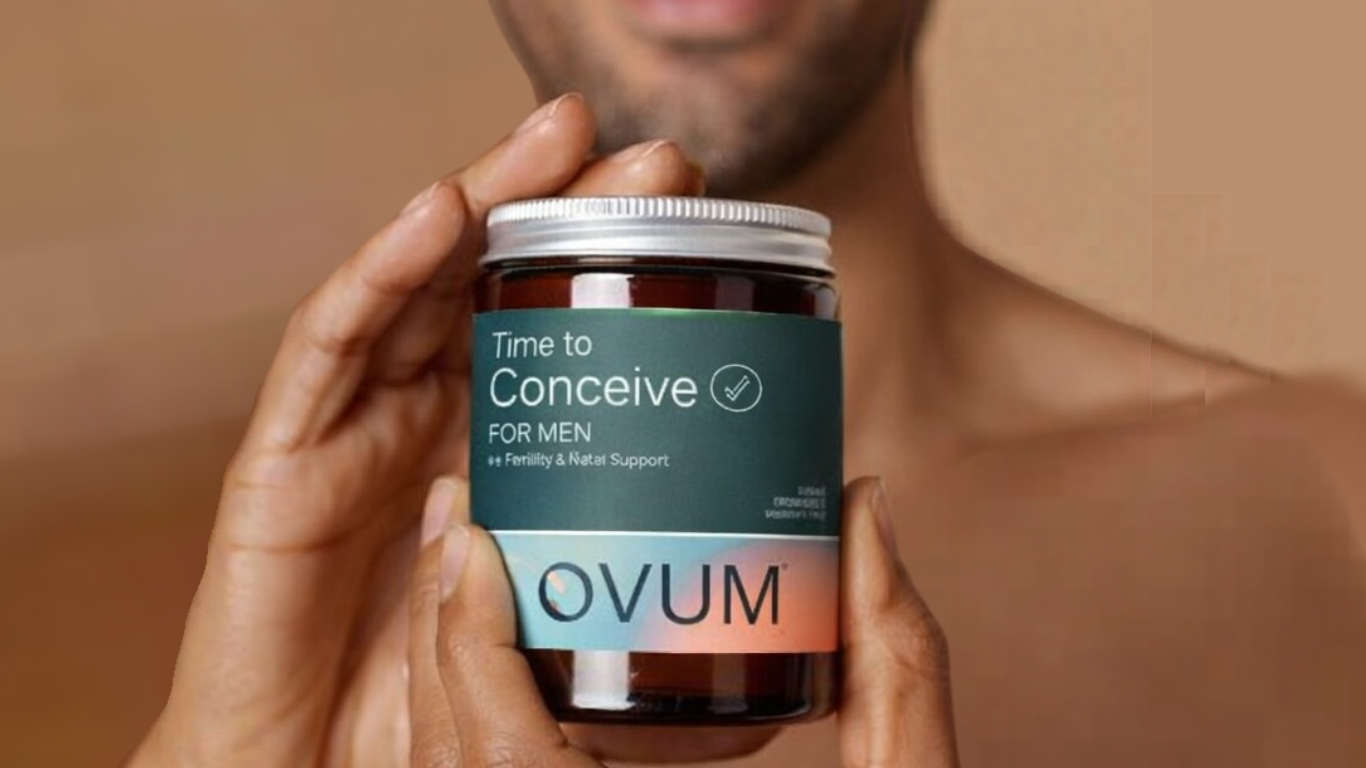
Why We Use OVUM Time to Conceive for Men: Because 50% of the Picture Belongs to Him
May 29, 2026When a couple comes to Fertility-Fit, we look at both partners. Always.
This isn't optional. This isn't a nice-to-have. It is a clinical necessity — because male factor is present in up to 50% of infertility cases, and yet it remains consistently under-investigated, under-addressed, and in the majority of fertility journeys, barely considered at all.
A recent narrative review published in Life confirmed that male factors may be present in up to 50–70% of infertile couples, with sperm DNA fragmentation emerging as one of the most significant but most overlooked contributors.¹
If you're trying to conceive and your partner hasn't had a thorough assessment — including sperm DNA fragmentation testing, not just a basic semen analysis — half the picture is missing.
OVUM Time to Conceive for Men exists because that half of the picture matters.
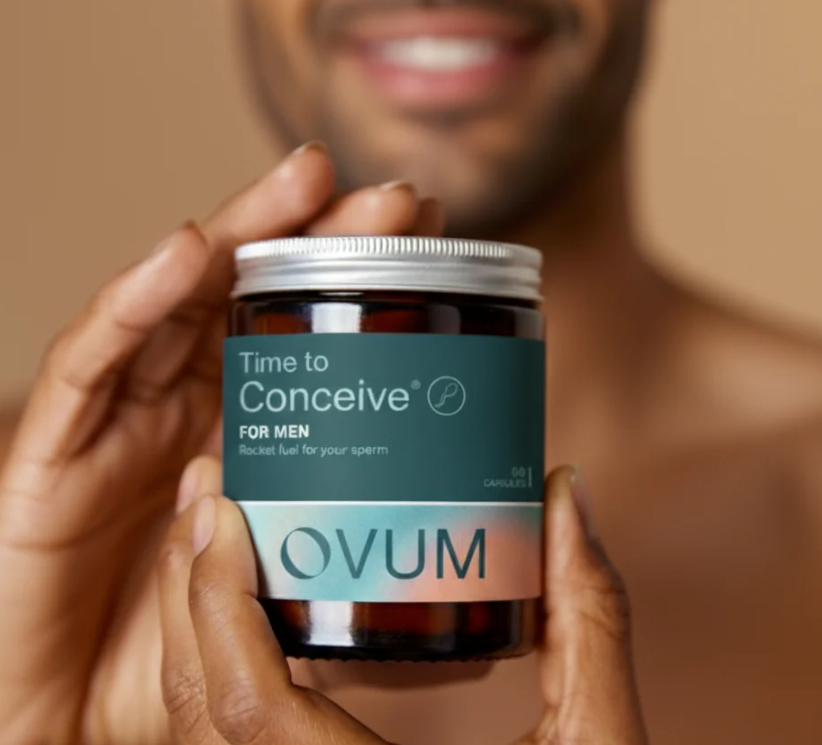
What standard semen analysis misses
The standard NHS semen analysis measures sperm count, motility, and morphology. These are important. But they are not the full picture.
Up to 40% of infertile men have semen parameters within normal reference ranges — and yet are still not able to conceive.¹ The explanation in many of these cases is sperm DNA fragmentation: damage to the genetic material within sperm cells that a standard semen analysis cannot detect.
A systematic review published in BJU International found that high sperm DNA fragmentation is significantly associated with poor natural conception rates, poor IVF and IUI outcomes, and increased pregnancy loss.² A separate multicenter case-control study published in 2023 found that men in couples affected by recurrent pregnancy loss had significantly higher sperm DNA fragmentation indices compared to fertile controls — with sperm DNA fragmentation independently associated with recurrent pregnancy loss after multivariate adjustment.³
In plain English: if your partner's semen analysis looks normal, that does not mean his sperm health is optimal. And if you are experiencing recurrent miscarriage, his sperm DNA integrity should be part of the investigation.
Why oxidative stress is the primary driver
The leading cause of sperm DNA fragmentation is oxidative stress — an imbalance between reactive oxygen species (free radicals) and the antioxidant defences available to neutralise them.
Sperm cells are particularly vulnerable to oxidative damage. Their plasma membranes are rich in polyunsaturated fatty acids and contain low concentrations of scavenging enzymes — meaning they have limited innate capacity to protect themselves. When oxidative stress overwhelms the available antioxidant defences, sperm DNA damage accumulates.⁴
Oxidative stress in sperm can be driven by lifestyle factors — smoking, alcohol, poor diet, sedentary behaviour, heat exposure — but also by systemic inflammation, infections, varicocele, and the normal physiological decline that comes with age.
The good news: oxidative stress is modifiable. Targeted antioxidant supplementation — at the right doses, in the right forms — has a measurable and clinically evidenced impact on sperm quality parameters.
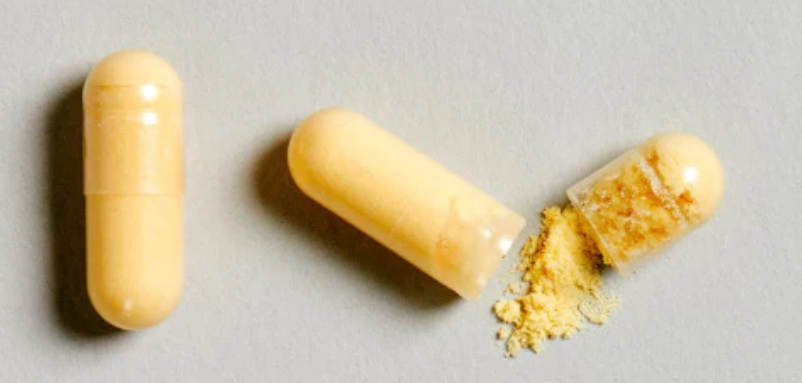
The ingredients — and why each one matters
OVUM Time to Conceive for Men was developed in collaboration with IVF doctors and leading fertility nutritionist Melanie Brown. It is backed by over 120 clinical studies and reviewed annually to reflect the latest evidence in reproductive health.⁵ Here's what's in it — and why.
L-Carnitine L-Tartrate and Acetyl-L-Carnitine
OVUM includes two forms of carnitine — L-carnitine L-tartrate and acetyl-L-carnitine — at clinically dosed levels. Carnitine is essential for sperm energy metabolism and maturation. It is naturally abundant in the epididymis, where sperm develop and acquire motility.
A systematic review and meta-analysis of eight randomised controlled trials — published in Reproduction and Fertility — found that carnitine supplementation significantly improves total sperm motility, progressive sperm motility, and sperm morphology.⁶ A double-blind, randomised, placebo-controlled trial published in Andrology found that combined L-carnitine and L-acetylcarnitine supplementation significantly improved sperm volume, progressive motility, vitality, and sperm DNA fragmentation index after six months of treatment.⁷
The use of both forms in OVUM is deliberate: L-carnitine L-tartrate provides superior bioavailability for rapid absorption, while acetyl-L-carnitine crosses the blood-testis barrier more effectively and has additional antioxidant properties within the testicular environment.
MicroActive® CoQ10
CoQ10 is concentrated in the mitochondria of sperm cells, where it plays a critical role in the energy-dependent processes of sperm motility and maturation. Reduced CoQ10 levels in seminal plasma have been consistently reported in men with low sperm motility and poor morphology.
A 2025 systematic review and meta-analysis of nine randomised controlled trials — published in the World Journal of Men's Health — found that CoQ10 supplementation in men with idiopathic male infertility significantly improved sperm concentration, seminal volume, total sperm motility, and clinical pregnancy odds (odds ratio 6.02; 95% CI 1.97–18.41; p=0.002). Treatment duration of over three months also significantly improved sperm morphology.⁸
As with the women's formula, OVUM uses MicroActive® CoQ10 — a patented form with 3.7 times higher bioavailability than standard CoQ10, where 200mg is shown to be as effective as 600mg of a standard preparation.⁵
N-Acetyl L-Cysteine (NAC)
NAC is a direct precursor to glutathione — the body's most powerful intracellular antioxidant. In the context of male fertility, it directly addresses oxidative stress at the cellular level.
A randomised, placebo-controlled clinical trial published in Reproductive Biology and Endocrinology found that NAC supplementation (600mg daily for three months) significantly increased sperm count and motility while reducing abnormal morphology, DNA fragmentation, and protamine deficiency. Testosterone levels increased and FSH and LH decreased, indicating improved testicular function.⁴
A separate randomised clinical trial confirmed that NAC supplementation protected against oxidative stress by enhancing NRF2 gene expression — a key antioxidant pathway — and significantly improved sperm concentration, motility, and morphology in men with asthenoteratozoospermia.⁹
Vitamin E (D-alpha-tocopheryl Acid Succinate)
Vitamin E is a fat-soluble antioxidant that protects sperm cell membranes from lipid peroxidation — one of the primary mechanisms through which oxidative stress damages sperm. OVUM uses D-alpha-tocopheryl acid succinate, the most bioavailable and stable form of vitamin E available in supplement form.
Zinc Picolinate
Zinc is essential for testosterone production, spermatogenesis, and sperm function. It contributes to the maintenance of normal testosterone levels and to the protection of sperm DNA from oxidative damage. OVUM uses zinc picolinate — one of the most bioavailable forms of zinc available.
Selenium (Selenium-Enriched Yeast)
Selenium contributes to normal spermatogenesis and is essential for the structural integrity of sperm. Selenium deficiency is associated with reduced sperm motility and increased DNA fragmentation. Selenium-enriched yeast is the organic, most bioavailable form.
Lycopene (Solanum lycopersicum extract)
Lycopene — the antioxidant compound found in tomatoes — has been specifically studied in male fertility for its role in protecting sperm from oxidative DNA damage. Its inclusion reflects OVUM's commitment to evidence-based ingredient selection beyond the standard antioxidant profile.
Vitamin C (Calcium Ascorbate)
A water-soluble antioxidant working synergistically with vitamin E to provide comprehensive cellular protection against oxidative stress in both sperm and seminal plasma.
Myo-Inositol
Increasingly studied in male fertility for its role in sperm function, motility, and capacitation. Myo-inositol is a key signalling molecule involved in sperm maturation and the acrosome reaction required for fertilisation.
Methylfolate (Calcium L-methylfolate) and Methylcobalamin (Vitamin B12)
As with the women's formula, OVUM for Men uses the active forms — methylfolate rather than folic acid, methylcobalamin rather than cyanocobalamin. Both are essential for DNA synthesis, cell division, and sperm production. The active forms are directly usable by the body regardless of MTHFR status.
Vitamin D3 (Cholecalciferol) and Lactobacillus rhamnosus
Vitamin D3 supports testosterone regulation and immune function. The inclusion of Lactobacillus rhamnosus reflects emerging evidence on the gut-testis microbiome axis and the role of gut health in male reproductive function.
A note on the formula's balance
OVUM's formulation is synergistically balanced for optimum combined doses. Excessive antioxidant doses can cause reductive stress — so the formula is deliberately calibrated to deliver protective antioxidant support without tipping into the counterproductive territory of excessive supplementation.⁵ nih
This is clinically important. More is not always better with antioxidants in male fertility — and OVUM's formulation reflects that nuance.
The formula contains no colourants, preservatives, additives, or fillers. A small amount of rice flour is used to fill the capsule, necessary for production and to reduce nutrient oxidisation. It is free from all common allergens, artificial colourings, preservatives, and flavourings.
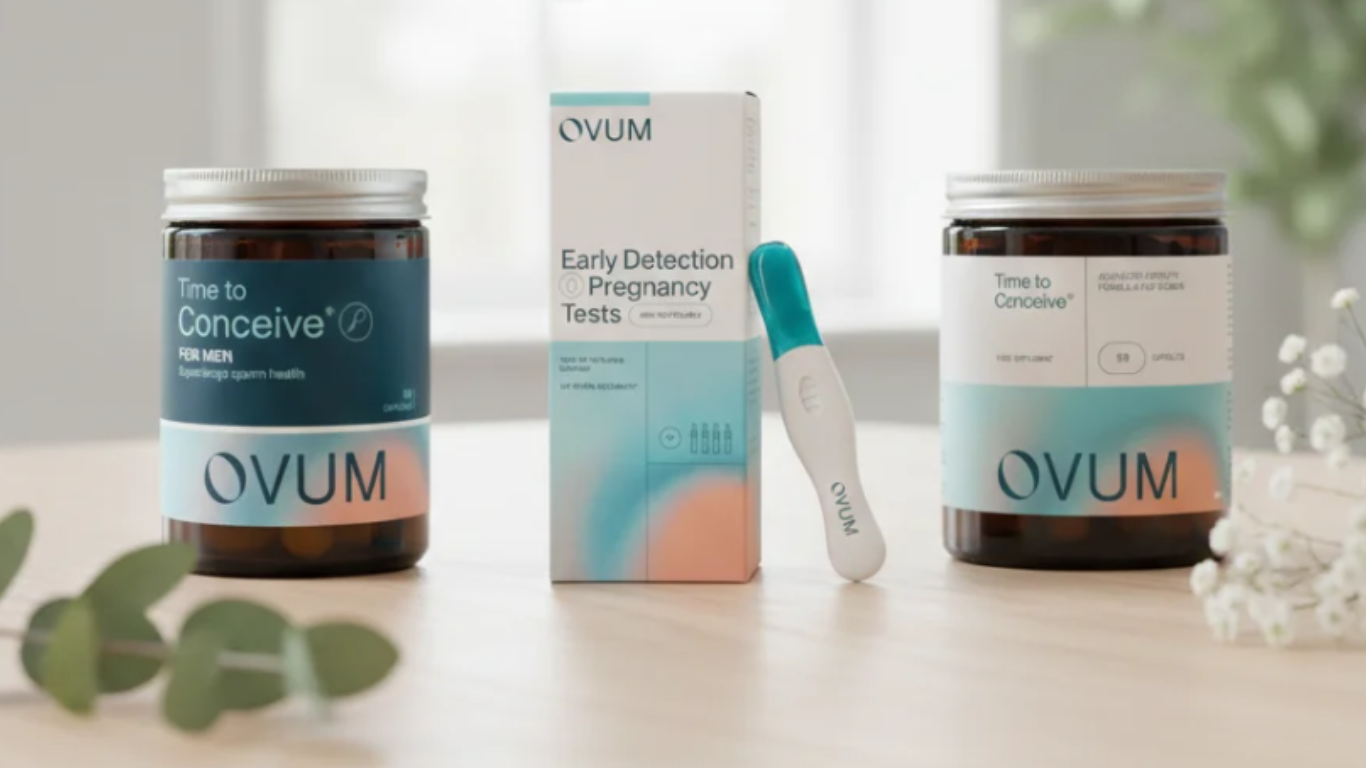
How we use it at Fertility-Fit
We assess first.
When you are supported by Fertility-Fit, we review both partners. Male factor is part of every assessment — not an afterthought. Where the picture indicates oxidative stress, suboptimal semen parameters, or a history of recurrent miscarriage, OVUM Time to Conceive for Men becomes part of the plan.
Sperm take 74 days to develop. Which means the nutritional environment your partner is in right now is shaping the sperm that will be available in approximately two and a half months. Starting supplementation early — before your target conception window — is not optional. It is physiologically necessary.
For independent clients, we recommend starting at least 74 days before your target conception window — and ideally alongside a semen analysis so you know what you're working with before you begin.
Who this is for:
- All male partners in couples trying to conceive — sperm health is 50% of the picture
- Men with known suboptimal semen parameters — count, motility, morphology, or DNA fragmentation
- Partners in couples experiencing recurrent miscarriage — where sperm DNA fragmentation is a consistently under-investigated factor
- Men preparing for IVF or IUI — where sperm quality directly affects fertilisation rates and embryo quality
- Men with varicocele — where oxidative stress is a primary driver of sperm dysfunction
- Any man who has never had a full semen analysis including DNA fragmentation testing
Who this isn't for:
- Anyone with a known allergy to any listed ingredient — check the full ingredient list before purchase
- Men already confirmed to have optimal semen parameters and DNA fragmentation indices — assessment first, always
The bottom line
Male factor infertility is present in up to half of all couples struggling to conceive. Sperm DNA fragmentation is independently associated with recurrent miscarriage. And oxidative stress — the primary driver of both — is directly and measurably addressable through targeted, evidence-based supplementation.
OVUM Time to Conceive for Men is not a generic multivitamin with a fertility label. Every ingredient is included for a specific, evidenced reason. Every form is chosen for bioavailability. Every dose is calibrated against the clinical research.
If your partner hasn't started — this is where he starts.
Supplements are never the plan. They're the support.
Want to understand whether OVUM for Men belongs in your plan? Book your Fertility Strategy Call and we'll look at both of you — because that's how this works.

References
- Christodoulaki A, et al. Sperm DNA Fragmentation: Unraveling Its Imperative Impact on Male Infertility Based on Recent Evidence. Life. 2024;14(9):1158. doi: 10.3390/life14091158. PMC: 11432134.
- Cissen M, et al. Role of sperm DNA fragmentation in male factor infertility: A systematic review. BJU Int. 2018;121(5):758–765. doi: 10.1111/bju.14107. PMC: 5922225.
- Borini A, et al. Sperm DNA fragmentation and idiopathic recurrent pregnancy loss: Results from a multicenter case-control study. Andrology. 2023. doi: 10.1111/andr.13388. PMID: 36693210.
- Jannatifar R, Parivar K, Roodbari NH, Nasr-Esfahani MH. Effects of N-acetyl-cysteine supplementation on sperm quality, chromatin integrity and level of oxidative stress in infertile men. Reprod Biol Endocrinol. 2019;17(1):24. doi: 10.1186/s12958-019-0468-9. PMC: 6377938.
- OVUM. "Time to Conceive for Men — Product Information." startwithovum.com/products/time-to-conceive-supplement-for-men. Accessed 2026.
- Lloret-Linares C, et al. L-carnitine and L-acetylcarnitine supplementation for idiopathic male infertility. Reproduction and Fertility. 2020;1(1). doi: 10.1530/RAF-20-0037.
- Micic S, Lalic N, Djordjevic D, et al. Double-blind, randomised, placebo-controlled trial on the effect of L-carnitine and L-acetylcarnitine on sperm parameters in men with idiopathic oligoasthenozoospermia. Andrology. 2019;7(4):506–514. doi: 10.1111/and.13267. PMC: 6850469.
- Bakri S, et al. Efficacy and Safety of Coenzyme Q10 in Idiopathic Male Infertility: A Systematic Review and Meta-Analysis of Randomized Trials. World J Mens Health. 2025. doi: 10.5534/wjmh.250159. PMID: 40878114.
- Dehghan M, et al. The Effect of N-Acetyl-Cysteine on NRF2 Antioxidant Gene Expression in Asthenoteratozoospermia Men: A Clinical Trial Study. Reprod Biol Endocrinol. 2020. PMC: 7604699.
Don't miss a beat!
New moves, motivation, and classes delivered to your inbox.
We hate SPAM. We will never sell your information, for any reason.