
Why We Use the Zinzino BalanceTest: Know Your Baseline Before You Supplement
May 29, 2026Most people taking omega-3 supplements have no idea whether they're working.
They take the capsule. They hope for the best. They never find out.
At Fertility-Fit, that's not how we work. Before we recommend any omega-3 supplementation, we establish a baseline. And at the end of the support period, we retest to confirm the shift has happened.
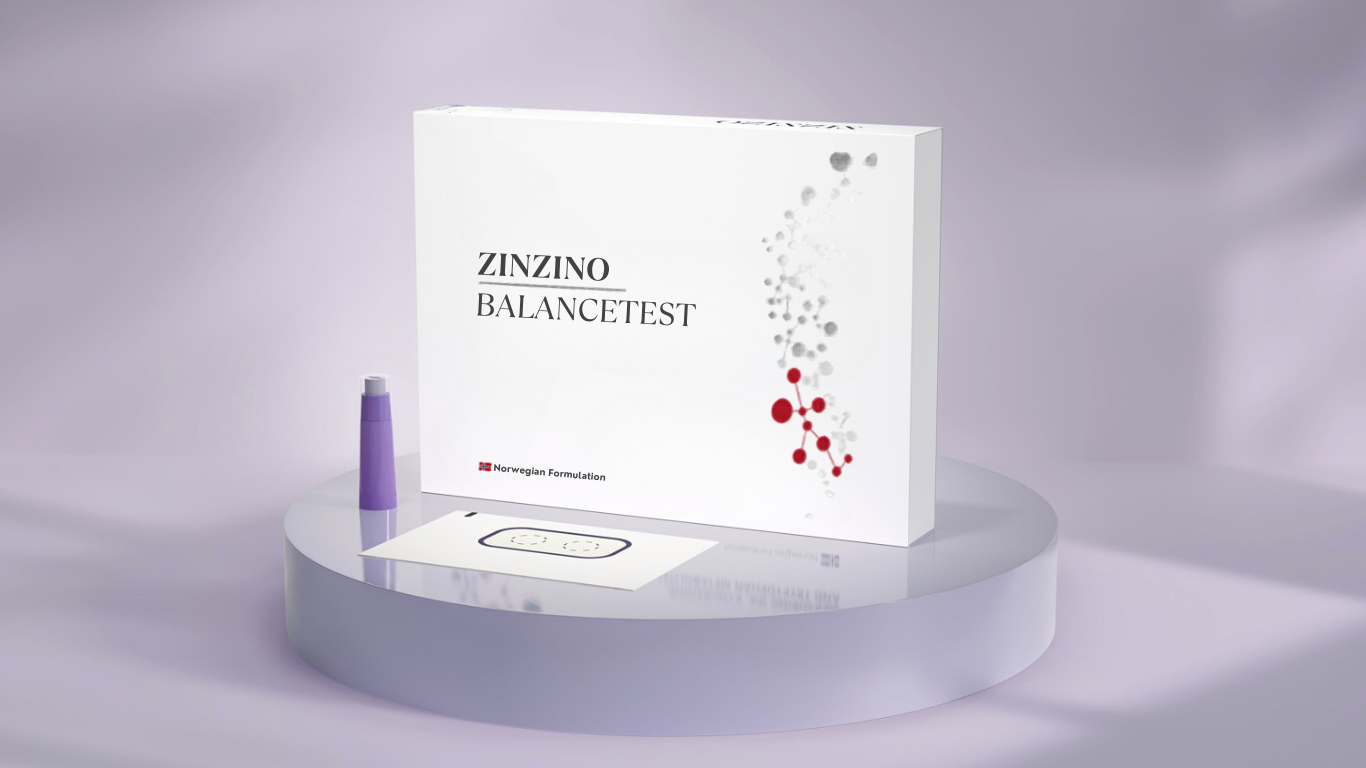
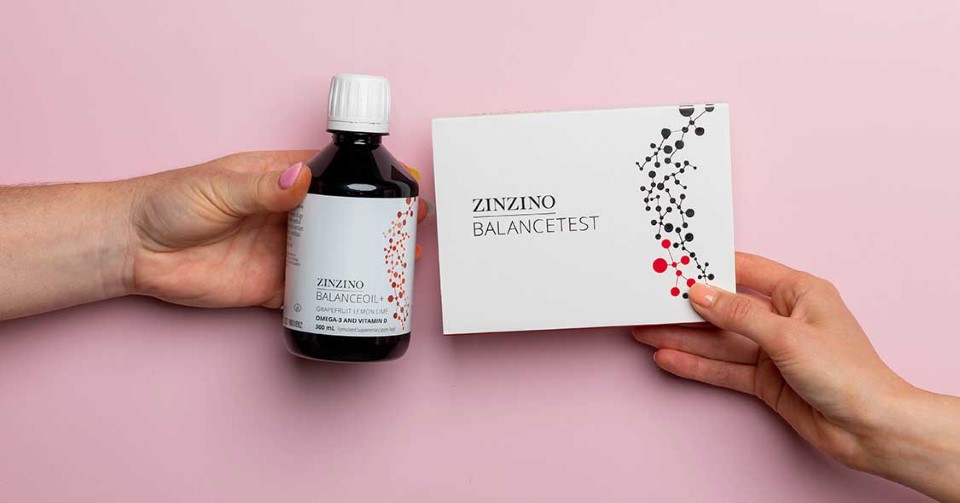
The Zinzino BalanceTest is how we do that.
Why testing matters more than supplementing
There is a fundamental problem with supplement-first thinking: it assumes everyone starts from the same point and responds in the same way.
They don't.
Two people can take the same omega-3 supplement at the same dose for the same period and end up in completely different places — depending on their starting ratio, their diet, their metabolic rate, and the quality and form of the supplement they're taking. Without testing, you have no idea where you started, whether anything has changed, or whether your current dose is sufficient.
This is especially significant in fertility. A 2024 systematic review and meta-analysis published in Heliyon — including data from over 4,000 women — found that omega-3 intake significantly improves pregnancy and fertilisation rates, with odds ratios of 1.74 for women receiving fertility treatment, 1.36 for natural conception, and 2.14 for fertilisation rate. But those benefits are only realisable if omega-3 status is actually improved — not just supplemented. SCIRP
Testing removes the guesswork. It tells you whether the intervention is working. In a fertility context, where every decision should be evidence-led, that matters enormously.
What the BalanceTest actually measures
The BalanceTest is a dried blood spot (DBS) test — a simple, validated method of blood analysis that has been used in clinical and research settings for decades. You prick your finger, place one to two drops of blood on a Whatman filter paper, and post it back to the lab.
The test measures 11 fatty acids in your blood, including saturated fatty acids, monounsaturated omega-9 fatty acids, and critically, your polyunsaturated omega-6 and omega-3 fatty acids. The key outputs are:
- Your omega-6:3 ratio — the balance between pro-inflammatory and anti-inflammatory fatty acids
- Your omega-3 index — the combined EPA and DHA content as a percentage of total fatty acids
- Your AA index — the level of arachidonic acid, the primary omega-6 fatty acid involved in the inflammatory response
The omega-3 index, first proposed as a clinical biomarker by Harris and von Schacky in 2004, has since been validated across more than 80 published research papers as a meaningful measure of omega-3 status and an independent marker of physiological health.¹ An omega-3 index above 8% is associated with optimal status; most people in Western populations are significantly below this.

Is dried blood spot testing reliable?
This is the right question to ask — and the honest answer is: yes, for fatty acid analysis, DBS testing is well validated.
A 2025 study published in Nutrition & Metabolism confirmed that the fatty acid profile of dried blood spots accurately reflects nutritional habits and monitors changes in omega-3 intake over time, with the method demonstrating good precision and reproducibility.² Independent research has validated the DBS approach for omega-3 measurement, with studies confirming strong correlation between DBS-derived omega-3 values and red blood cell analysis — the gold standard method.³
All BalanceTest samples are analysed anonymously by Vitas Analytical Services — a GMP-certified chemical analysis contract lab based in Oslo, Norway, with over 25 years' experience in biomarker analysis. Vitas originates from the Department of Nutrition at the University of Oslo — the largest nutrition department in Europe — and has been a collaborative partner to the World Health Organisation. nih
The test is also CE marked, certified to comply with European regulation 98/79/EC on in vitro diagnostic medical devices. This means every component meets EU health, safety, and regulatory requirements.
One important note for transparency: the BalanceTest database is proprietary to Zinzino, and the large-scale population data it has generated — including the 2025 Lipids in Health and Disease study — involves authors with affiliations to Zinzino's Scientific Advisory Board. The DBS methodology itself is independently validated; the specific database is a commercial asset. We flag this because your clinical credibility deserves honesty about the distinction.
What the results tell us
When a client completes their BalanceTest, the results arrive within approximately 20 days via an online portal as an easy-to-read visual report.
What we're looking for:
Omega-6:3 ratio below 3:1 — this is the optimal range associated with a balanced inflammatory profile. Most people in Northern Europe present at 12:1 or above. Most people globally present even higher.
Omega-3 index above 8% — indicating sufficient EPA and DHA in red blood cell membranes to support the physiological processes relevant to fertility: egg quality, sperm membrane integrity, implantation environment, and immune regulation.
AA index in the 6.5–9.5% range — confirming that the omega-6 inflammatory response is appropriately balanced rather than chronically elevated.
If the picture shows significant imbalance — and in our experience it almost always does — BalanceOil+ becomes part of the plan from Week 1. If the picture is already optimal, we don't recommend it. That's what test-based nutrition actually means.
How we use it at Fertility-Fit
We assess first.
When you are supported by Fertility-Fit, the BalanceTest is the starting point for both partners. It establishes your individual baseline — not a population average, not a dietary assumption, but your actual fatty acid profile right now.
At the end of your support period, both partners repeat the BalanceTest. We see the before-and-after shift. We confirm the intervention has worked. We adjust if needed.
This is the difference between supplementing in the dark and supplementing with evidence.
For independent clients, the BalanceTest is still the smartest first step before purchasing BalanceOil+. If your ratio is already below 3:1, you don't need the supplement. If it isn't , and the data suggests most people's isn't, you have a measurable starting point and a clear way to track your progress.
Who this is for:
- Anyone beginning omega-3 supplementation for fertility — establish your baseline before you start
- Anyone who has been taking omega-3 supplements and wants to know whether they're actually working
- Both partners — male factor is 50% of the picture, and sperm membrane integrity is directly influenced by omega-3 status
- Anyone with a history of recurrent miscarriage, implantation failure, or unexplained infertility where inflammatory status may be a contributing factor
- Anyone preparing for IVF who wants to optimise their physiological environment before stimulation begins
Who this isn't for:
- Anyone already confirmed to have an optimal omega-6:3 ratio — if you've tested elsewhere and your ratio is below 3:1, you have your baseline
The bottom line
Testing your omega-3 status before supplementing is not an optional extra. It's the difference between a targeted, evidence-based intervention and an expensive guess.
The BalanceTest gives us — and you — the data to make informed decisions. It tells us where you're starting from, confirms the supplement is working, and gives us something measurable to track alongside everything else we're doing.
In a fertility journey where so much feels uncertain and outside your control, this is one thing you can actually measure.
Supplements are never the plan. They're the support. But if you're going to supplement, know what you're doing first.
Ready to establish your baseline? Book your Fertility Strategy Call and we'll talk you through whether the BalanceTest is the right starting point for you.

References
- Harris WS, von Schacky C. The Omega-3 Index: A new risk factor for death from coronary heart disease? Prev Med. 2004;39(1):212–220. doi: 10.1016/j.ypmed.2004.02.030. PMID: 15208005. (Over 80 subsequent validation studies — foundational paper for the omega-3 index as a clinical biomarker.)
-
Garcia-Urtiaga, L., Cano, A., Caro, M., Jaione Pagaldai, Amezaga, J., Itziar Tueros and Arranz, S. (2025). Dried blood spot technique for dietary fat assessment in a human nutritional intervention focused on oily fish intake. Nutrition & Metabolism, 22(1), pp.89–89. doi:https://doi.org/10.1186/s12986-025-00983-4.
- Harris WS, Polreis J. Measurement of the Omega-3 Index in Dried Blood Spots. Ann Clin Lab Res. 2016;4(4). (Available via ResearchGate — validates DBS-derived omega-3 index values against RBC gold standard.)
- Torrissen M, et al. Global variations in omega-3 fatty acid status and omega-6:omega-3 ratios: insights from >500,000 whole-blood dried blood spot samples. Lipids Health Dis. 2025;24:260. doi: 10.1186/s12944-025-02676-6. PMC: 12335782. [Industry-funding disclosure: authors include Zinzino Scientific Advisory Board consultants.]
- Zinzino product information. BalanceTest. Available at: zinzino.com/site/gb/en-gb/explore/balance-test. (Product specification — not peer-reviewed.)
Don't miss a beat!
New moves, motivation, and classes delivered to your inbox.
We hate SPAM. We will never sell your information, for any reason.