
Omega-3 and Fertility: Why Inflammation Is the Missing Link | Fertility-Fit
May 29, 2026You've probably been told to take omega-3. Maybe you already are.
But here's the question nobody asks: is it actually working?
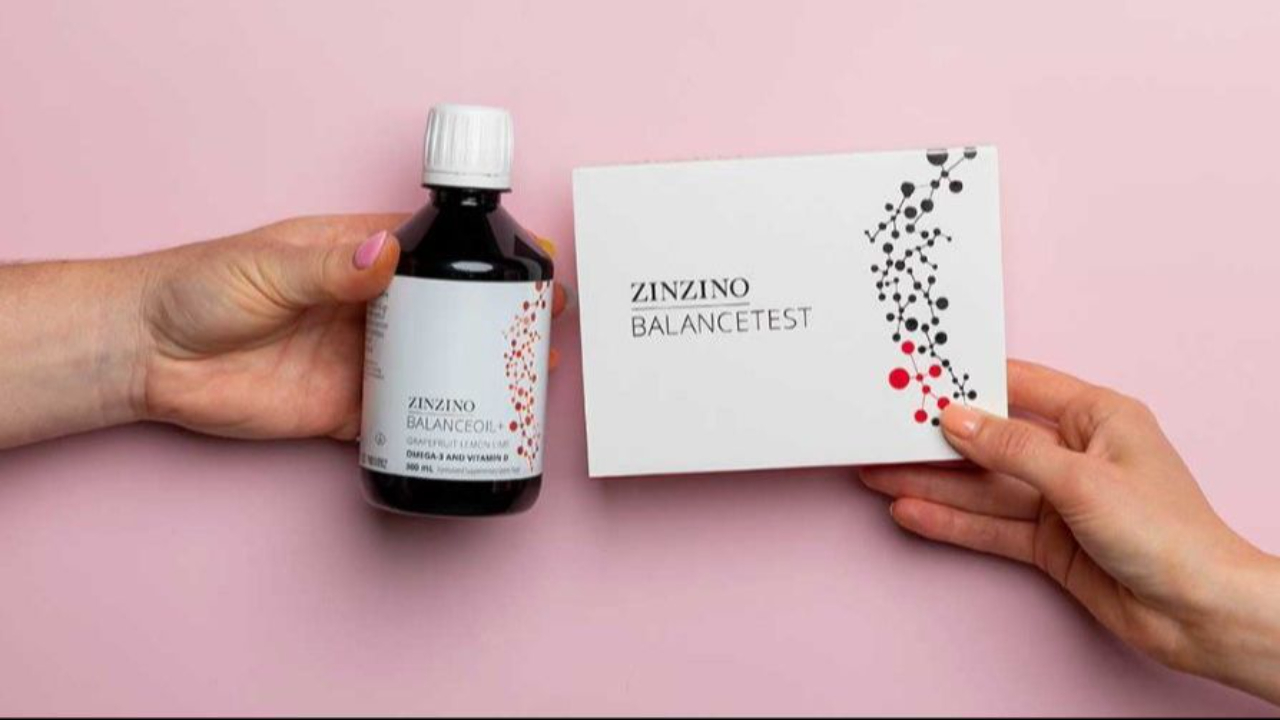
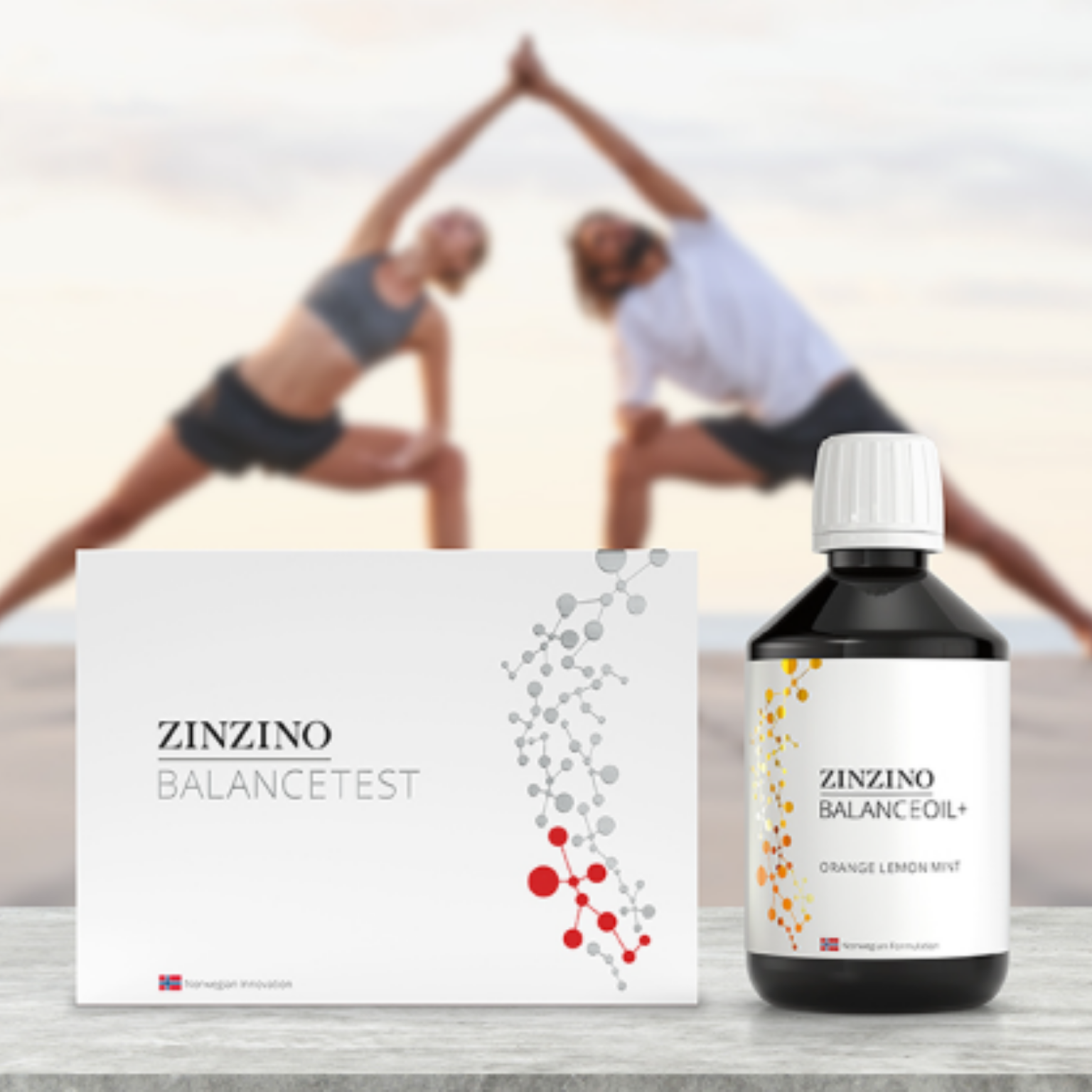
Most people take a fish oil capsule, hope for the best, and never find out. At Fertility-Fit, that's not good enough. We test first. Then we support. Then we test again. And BalanceOil+ by Zinzino is the only omega-3 supplement we've found that was built around exactly that principle.
Here's why it matters.
What omega-3 actually does in the body
Omega-3 fatty acids — specifically EPA and DHA — are not just good for your heart. They are foundational to reproductive physiology. And most people are significantly deficient without knowing it.
A 2024 systematic review and meta-analysis published in Heliyon — covering six trials in women receiving fertility treatment, four trials in women conceiving naturally, and three trials examining fertilisation rates — found that omega-3 intake significantly improves both pregnancy and fertilisation rates. The aggregated odds ratios were 1.74 for women receiving fertility treatment, 1.36 for natural conception, and 2.14 for fertilisation rate — all statistically significant (p ≤ 0.01). The same review found that omega-3 fatty acids support fertility through improved hormonal balance, oocyte quality, embryo implantation, and menstrual cycle function, and that omega-3 deficiency combined with excessive omega-6 exposure is associated with increased risks of miscarriage and prematurity.¹
For men, the evidence is equally compelling. A 2023 cross-sectional study of 56 infertile men found that those with high sperm DNA fragmentation had significantly higher omega-6 to omega-3 ratios in both sperm and seminal plasma, alongside lower sperm motility — directly linking fatty acid imbalance to DNA fragmentation.⁴ A systematic PRISMA review published in Andrology found that supplementation with omega-3 capsules containing DHA or a combination of EPA and DHA improved at least one fertility marker in semen in three out of four randomised controlled trials, including improvements in sperm concentration, total sperm count, motility, and a reduction in sperm DNA fragmentation.²
This is why we address omega-3 status for both partners. Not just her.
Why most people are still deficient — even when they're supplementing
Not all omega-3 is equal. And most people supplementing with off-the-shelf fish oil capsules are doing so without any idea whether it's changing anything at all.
A 2025 study published in Lipids in Health and Disease — analysing data from over 590,000 whole-blood dried blood spot samples — found that the vast majority of individuals worldwide fail to reach optimal omega-3 levels despite widespread supplement use, with consistently elevated omega-6:3 ratios across all regions studied.⁵
(A note on this study: it was conducted using Zinzino's proprietary BalanceTest database, and several authors are consultants to Zinzino's Scientific Advisory Board. The paper discloses this. The scale of the dataset — over half a million samples — and its publication in a peer-reviewed journal make the overall finding credible, but the commercial relationship is worth noting.)
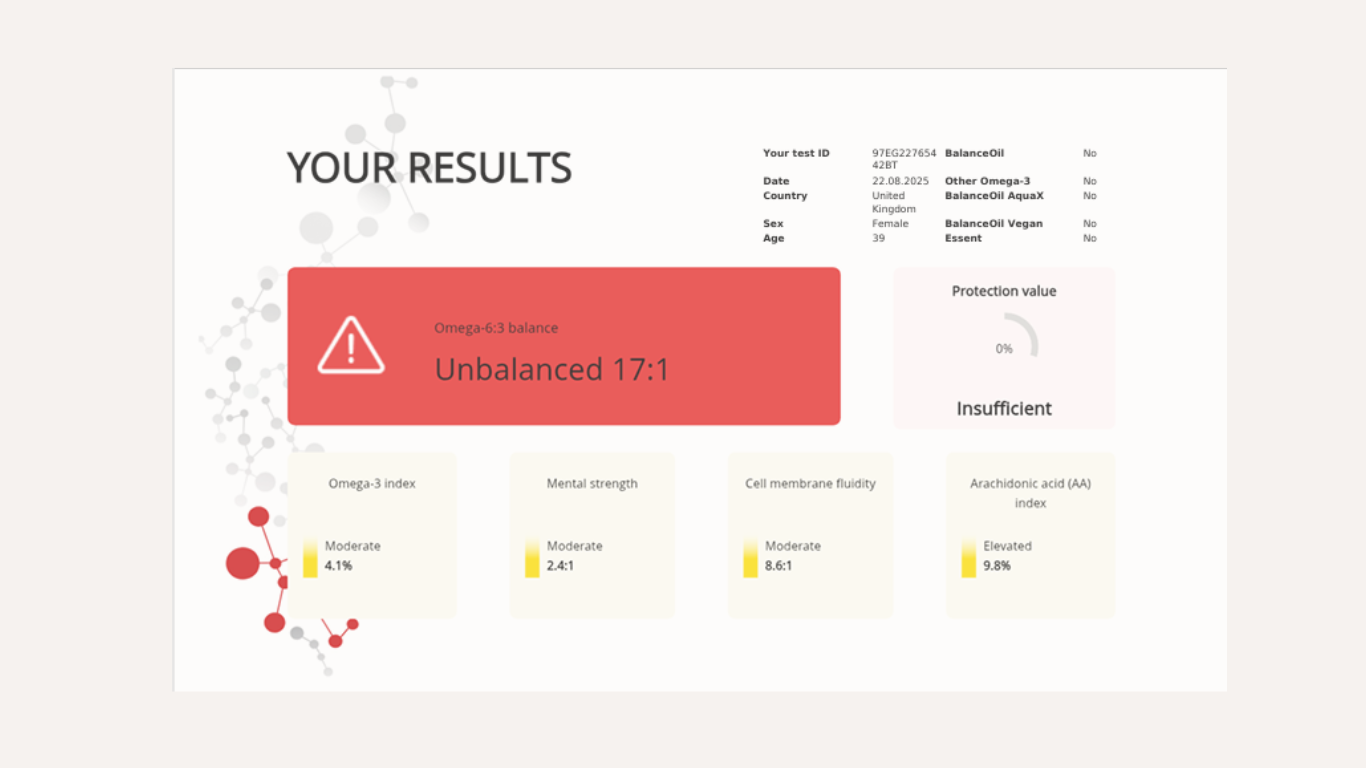
The optimal omega-6:3 ratio for health and fertility is below 3:1. Most people are nowhere near it — and many supplements don't get them there because of low dosing, oxidised oils, poor absorption, and critically, no testing to confirm whether levels have actually improved.
Common problems with generic omega-3 supplements include low dosing that doesn't shift the ratio, oxidised oils that are themselves inflammatory, poor bioavailability from capsule formats, and no way of knowing whether anything has changed. People supplement in the dark — and wonder why nothing improves.

Why we chose BalanceOil
We chose BalanceOil+ for one reason: it's built around a test-based system. Not guesswork, not trends, not "everyone should take this."
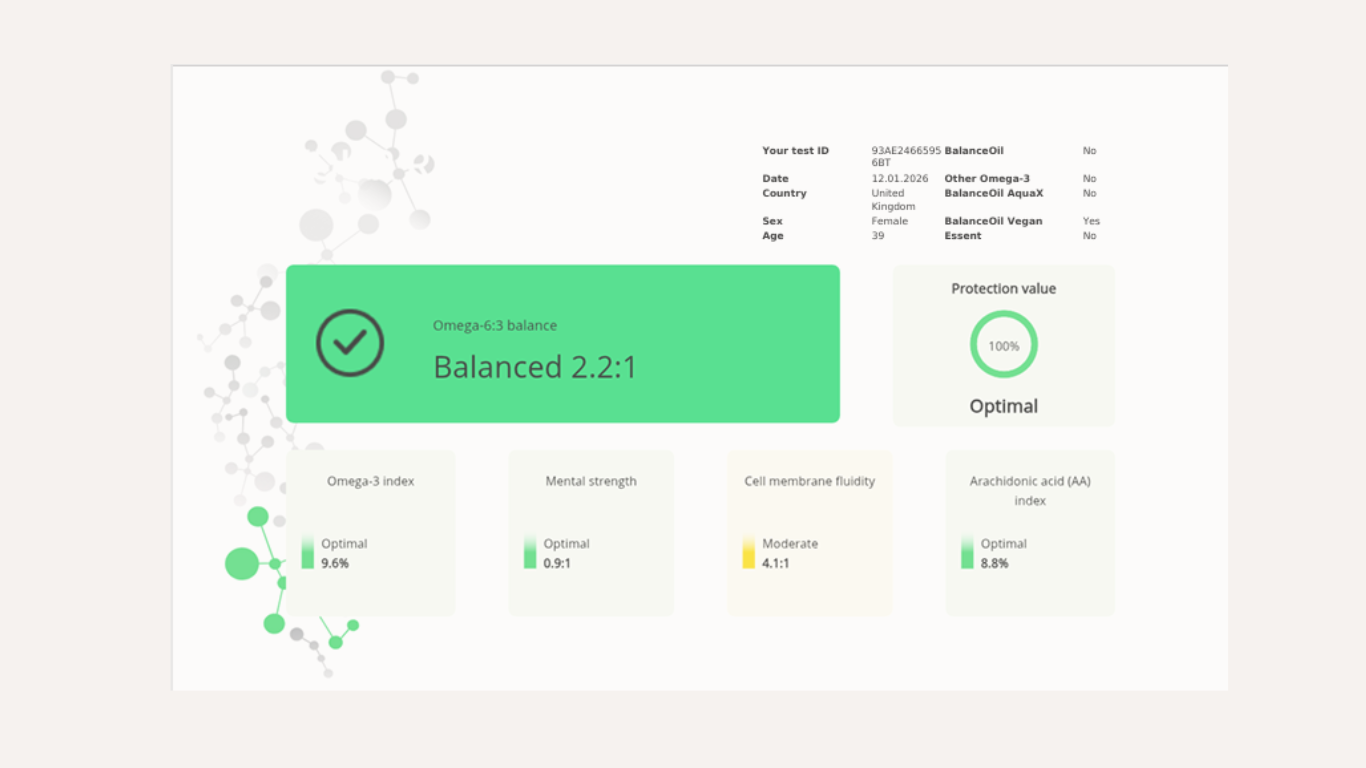
BalanceOil+ combines sustainably sourced marine fish oil — derived from wild-caught anchovies, mackerel, and sardines — with cold-pressed extra virgin olive oil and vitamin D3. The olive oil component provides polyphenols that act as antioxidants, stabilising the fish oil and protecting it from oxidation. According to Zinzino, this formulation is designed to safely adjust and maintain EPA and DHA levels and the omega-6:3 balance. After 120 days of supplementation, they report the average ratio for most people falls below 3:1.
What makes this system clinically meaningful for us is not the product in isolation — it's the test-and-retest model. We establish a baseline before supplementation begins. We retest to confirm the shift has happened. We know the intervention is working.
That's a different standard from anything available in a high street supplement.
How we use it at Fertility-Fit
We assess first.
When you are supported by Fertility-Fit, we begin with a Zinzino BalanceTest — a simple finger-prick blood test done at home — to establish the current omega-6:3 baseline for both partners. If the picture confirms imbalance (and it almost always does), BalanceOil+ becomes part of the plan from Week 1.
At Week 18, we repeat the BalanceTest for both partners. We see the shift. We adjust if needed. We know it's working.
This isn't supplementing in the dark. It's supplementing with evidence.
Who this is for:
- Anyone whose fertility has felt unexplained despite normal test results
- Women preparing for IVF who want to optimise their egg environment
- Couples where recurrent miscarriage or implantation failure has occurred
- Anyone where inflammation markers are present or suspected
- Partners — because sperm quality is 50% of the picture
Who this isn't for:
- Anyone whose omega-6:3 ratio is already at or below 3:1 — the BalanceTest will show us this
- Anyone with a fish allergy — a vegan algae-based alternative is available
- Anyone on blood thinning medication
The bottom line
Inflammation is one of the most consistent and most overlooked drivers of fertility challenges. Omega-3 status is one of the few things we can measure precisely, address specifically, and verify has changed.
That's why BalanceOil+ is where we start.
Supplements are never the plan. They're the support.
Ready to find out what your omega balance looks like? Book your Fertility Strategy Call and we'll talk you through whether BalanceOil+ belongs in your plan.

References
- Trop-Steinberg S, Gal M, Azar Y, Kilav-Levin R, Heifetz EM. Effect of omega-3 supplements or diets on fertility in women: A meta-analysis. Heliyon. 2024;10(8):e29324. doi: 10.1016/j.heliyon.2024.e29324. PMID: 38628754.
- Falsig A-ML, Gleerup CS, Knudsen UB. The influence of omega-3 fatty acids on semen quality markers: a systematic PRISMA review. Andrology. 2019;7(6):794–803. doi: 10.1111/andr.12649. PMID: 31166072.
- Abodi M, De Cosmi V, Scaglioni S, Agostoni C. Omega-3 fatty acids dietary intake for oocyte quality in women undergoing assisted reproductive techniques: A systematic review. Eur J Obstet Gynecol Reprod Biol. 2022;275:77–83. doi: 10.1016/j.ejogrb.2022.06.013. PMID: 35752058.
- Nassan FL, et al. Omega-6/Omega-3 Ratio Is High in Individuals with Increased Sperm DNA Fragmentation. Andrologia. 2023. PMID: 37563480.
- Torrissen M, et al. Global variations in omega-3 fatty acid status and omega-6:omega-3 ratios: insights from >500,000 whole-blood dried blood spot samples. Lipids Health Dis. 2025;24:260. doi: 10.1186/s12944-025-02676-6. PMC: 12335782. [Industry-funded disclosure: several authors are consultants to Zinzino's Scientific Advisory Board.]
Don't miss a beat!
New moves, motivation, and classes delivered to your inbox.
We hate SPAM. We will never sell your information, for any reason.